If you’re looking for osteoporosis exercises in Sherwood Park, you may already be feeling a little unsure about where to start. Maybe you’ve been told you have osteoporosis or low bone density, and now you’re wondering what movements are safe, what you should avoid, and how to stay active without increasing your risk of injury.
Those questions are normal. In fact, many people start wondering:
“Is exercise still safe for me?”
“What movements should I avoid?”
“Am I more fragile now?”
“What if I fall?”
“Can I still get stronger?”
At Strong Body Physiotherapy, we want you to know this: osteoporosis does not automatically mean you should stop moving. In many cases, the goal is actually to move smarter, build strength, improve balance, reduce fall risk, and feel more confident in your body again.
And this is not just motivational advice. Osteoporosis Canada states that exercise is important for people with osteoporosis, including those who have had a spine or hip fracture, though some people may need modifications depending on their condition. Physical activity can help protect the spine, slow bone loss, build muscle strength, and help prevent falls.
That’s why the right plan matters. Osteoporosis exercise is not about doing random workouts or pushing through fear. It’s about finding the right starting point, building strength safely, improving balance, and knowing which movements may need to be modified for your body.
What is osteoporosis?
Osteoporosis is a condition where bone strength is reduced, which can increase the risk of fractures.
A lot of people think osteoporosis only matters after a fall, but the diagnosis can affect how someone feels about their body long before anything happens.
Many people start moving less because they feel scared. They avoid lifting. They avoid exercise. They become nervous on stairs, ice, uneven ground, or even around the house.
That fear makes sense.
But the answer is usually not to stop everything. The better answer is to get a plan that matches your body, your risk level, your strength, your balance, and your goals.
Is exercise safe if you have osteoporosis?
For many people, yes, exercise can be safe and very helpful when it is done properly.
The International Osteoporosis Foundation notes that aerobic physical activity and progressive resistance training are considered safe for people with osteoporosis, starting light to moderate and progressing based on the person’s ability. They also recommend muscle strengthening, balance training, and coordination exercises for people at increased fracture risk.
That part matters.
Because osteoporosis exercise is not just about “doing random exercises.” It is about choosing the right movements, the right starting point, and the right progression.
A good plan may include:
- Strength training
- Balance training
- Posture related exercises
- Walking or weight-bearing activity
- Safe lifting strategies
- Fall prevention
- Education on movements that may need to be modified
The right plan should help you feel more confident, not more confused.
Why reducing fall risk matters with osteoporosis
With osteoporosis, one of the biggest goals is reducing the chance of a fracture.
That is why fall prevention is such a big part of the conversation.
While we work on building strength and supporting bone health, we also want to reduce the chances of a fall that could lead to a fracture.
That does not mean you need to live in fear. It means we work on the things we can control:
- Leg strength
- Balance
- Walking confidence
- Home safety
- Reaction time
- Safe movement habits
- Confidence with stairs and daily tasks
This is where physiotherapy can help.
A physiotherapist can assess where you are at, identify your main risk factors, and build a plan that helps you move forward safely.
3 simple osteoporosis exercises to start with
These are simple starting exercises that may be helpful for many people with osteoporosis or low bone density.
They are not meant to replace an individualized assessment, especially if you have had a fracture, have significant balance concerns, have pain, or are unsure what is safe for you.
1. Sit-to-Stand
The sit-to-stand is one of the most practical strength exercises you can do.
It helps build strength in your legs and hips for daily activities like getting out of a chair, climbing stairs, getting off the toilet, getting in and out of the car, and staying independent.
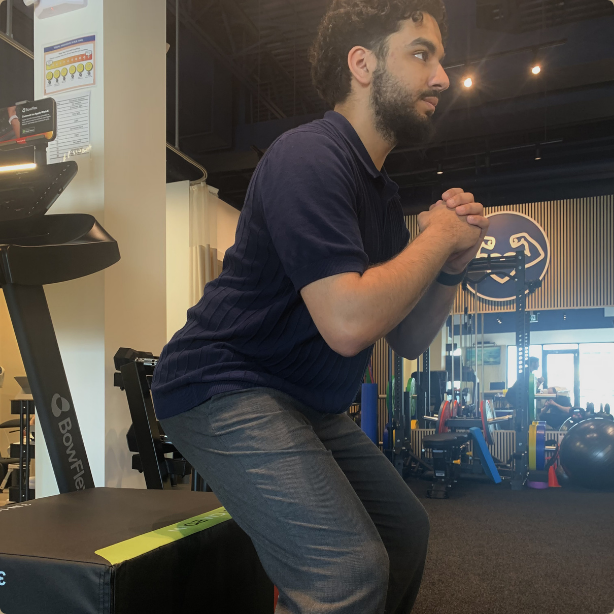
How to do it:
Sit on a stable chair.
Place your feet flat on the floor.
Stand up with control.
Slowly sit back down
Start with:
2 sets of 8 to 10 reps
Use your hands if needed. The goal is control, not perfection.
2. Supported Heel Raises
Heel raises help strengthen the calf muscles, which play a role in walking, balance, and push-off during movement.
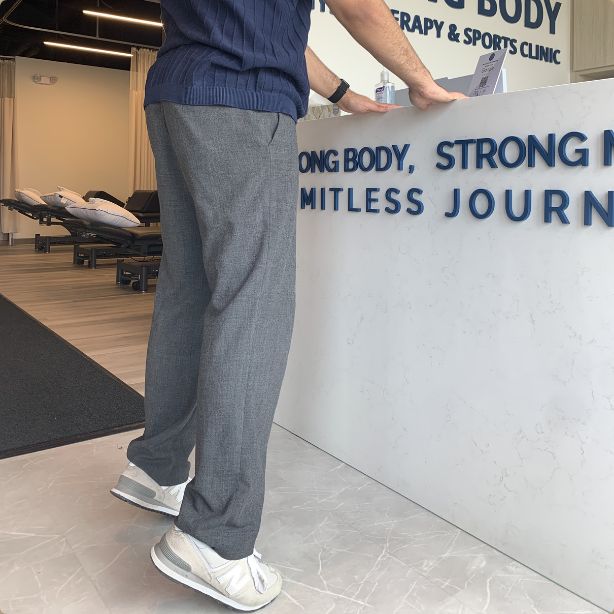
How to do it:
Hold onto a counter or sturdy surface.
Rise up onto your toes.
Lower back down slowly.
Start with:
2 sets of 8 to 12 reps
Move slowly. Use support. Keep it steady.
3. Wall Posture Holds
Posture work can be helpful for building awareness, upper back strength, and confidence with upright positioning.
For people with osteoporosis, we often want to encourage tall, controlled posture without forcing aggressive positions.
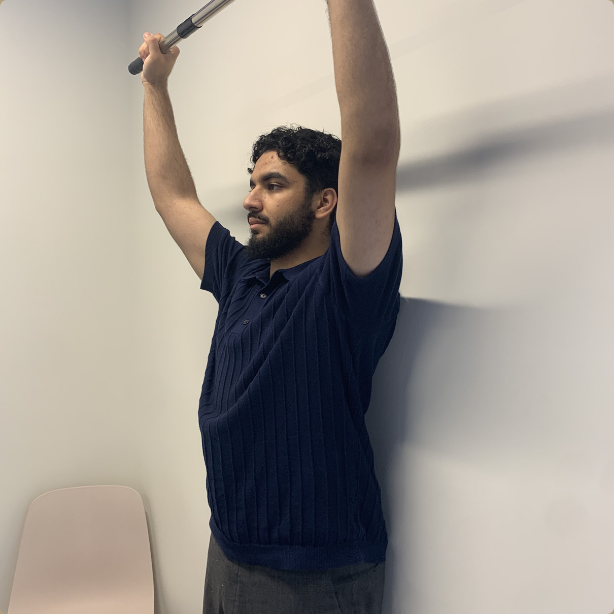
How to do it:
Stand tall near a wall.
Gently open your chest.
Bring your shoulder blades slightly back.
Hold for 5 to 10 seconds.
Repeat:
5 reps
Think tall and controlled, not forced.
3 ways to reduce fall risk at home
Fall prevention does not need to be complicated. A few simple changes can make your home and daily movement safer.
1. Clear clutter from walkways
Remove loose items, cords, shoes, small rugs, or anything that could become a tripping hazard.
This is especially important in hallways, bathrooms, bedrooms, stairs, and areas you walk through at night.
2. Improve lighting, especially at night
Use night lights in hallways, bathrooms, and bedrooms.
A lot of falls happen when people are rushing, half-asleep, or walking in dim lighting. Better lighting makes it easier to see obstacles and move with confidence.
3. Practice safe strength and balance exercises
Strength and balance are trainable.
The stronger and steadier you are, the more prepared your body is for daily life. This may include sit-to-stands, heel raises, balance practice, step-ups, walking drills, and other exercises chosen based on your ability.
Movements you may need to modify with osteoporosis
This is one of the biggest reasons people should not just copy random exercises online.
Some movements may need to be modified depending on your fracture risk, pain, balance, spinal history, and overall health.
The International Osteoporosis Foundation recommends that people at high risk of fracture avoid trunk flexion exercises, and it also notes that people with osteoporosis should avoid powerful twisting movements of the trunk. It also advises caution with activities involving forward bending of the spine, especially while carrying an object.
This does not mean you should fear movement.
It means you may need to modify things like:
- Loaded spinal bending
- Fast twisting movements
- Sit-ups or crunch-style movements
- Toe-touch lifting with a rounded back
- Aggressive end-range stretching
- High-risk activities where falling is more likely
A good physiotherapy plan can help you understand what to avoid, what to modify, and what is safe to build toward.
How physiotherapy can help with osteoporosis
Physiotherapy for osteoporosis is not just a list of exercises.
At Strong Body Physiotherapy, the goal is to help you understand your body and build a plan that feels realistic.
Your assessment may include looking at:
- Strength
- Balance
- Walking confidence
- Posture
- Mobility
- Fall risk
- Pain
- Fracture history
- Daily activities
- Goals and concerns
- What exercises you are currently doing
- What movements you are avoiding because of fear
From there, we can help you build a plan that may include strength exercises, balance training, posture work, safe lifting strategies, home safety education, and gradual progression.
The goal is not just to “do physio.”
The goal is to help you feel more steady, capable, and confident in your body.
When should you book an assessment?
You should consider booking a physiotherapy assessment if:
- You have been diagnosed with osteoporosis or osteopenia
- You are scared to exercise because of your bone density
- You have had a fall or are worried about falling
- You feel weaker than you used to
- You feel unsteady on stairs, ice, or uneven ground
- You are unsure what exercises are safe
- You have had a fracture and want guidance returning to activity
- You want a plan that fits your body instead of guessing
Even if full strength and confidence take time to build, the first visit can help you get clarity.
You can leave with a better understanding of where you are, what to work on, what to avoid, and how to start safely.
Frequently asked questions about osteoporosis and exercise
For many people, no. Exercise is often an important part of managing osteoporosis. The key is choosing the right exercises and modifying them based on your risk level, symptoms, and history. Osteoporosis Canada recommends speaking with a doctor before starting if you are new to exercise, and speaking with a physical therapist if you are unsure where to start.
Many people benefit from a combination of strength training, balance exercises, posture work, walking, and safe movement practice. The best program depends on your fracture history, strength, balance, pain, and goals.
Balance training helps reduce fall risk. With osteoporosis, falls can increase the chance of fractures, so improving steadiness and confidence is a big part of prevention.
Some people with osteoporosis, especially those at higher fracture risk or with a history of spinal fractures, may need to avoid or modify repeated spinal flexion movements like sit-ups or crunches. A physiotherapist can help you choose safer alternatives.
Exercise may support bone and muscle health, but physiotherapy is not a replacement for medical management. Your physician may also discuss bone density testing, medications, calcium, vitamin D, and other medical factors. Physiotherapy can help with strength, balance, movement confidence, safe exercise progression, and fall prevention.
In most cases, you can book physiotherapy directly. Some insurance plans may require a referral for reimbursement, so it is worth checking your plan if you are unsure.
Book an osteoporosis physiotherapy assessment in Sherwood Park
Osteoporosis does not mean you are fragile.
It means your body needs the right plan.
If you are unsure what exercises are safe, worried about falling, or ready to build strength and confidence again, we can help.
At Strong Body Physiotherapy in Sherwood Park, we will assess where you are, guide you through safe starting steps, and help you build a plan that fits your body and your life.
Book your assessment here:
Book online with Strong Body Physiotherapy